
On the 60th anniversary of my father’s death in Vietnam on September 27, 1965, I want to highlight that he was a whistleblower long before the term “whistleblower” was widely recognized. His first documented case occurred in March 1948 when he was a 21-year-old Provost Sergeant at the Nürnberg War Crimes Trials. Other documented instances occurred in Vietnam during his first tour in 1962, when he served as a US Army Counter-Insurgency Expert and Battalion Weapons Advisor. In 1965, while working as a Senior Public Safety Advisor with USAID’s Office of Public Safety, he blew the whistle on widespread corruption in the Refugee Processing Program, which was known to both the US and South Vietnamese governments. He was killed shortly after he refused to lie in his reports, went over his superiors’ heads to meet with the man at the very top so he could “tell him what I know and what I think and let the chips fall where they may,” and came up with a national plan “with teeth in it” to investigate and reduce the corruption in that program. Circumstances surrounding his death are still classified by the CIA despite my four FOIA requests.
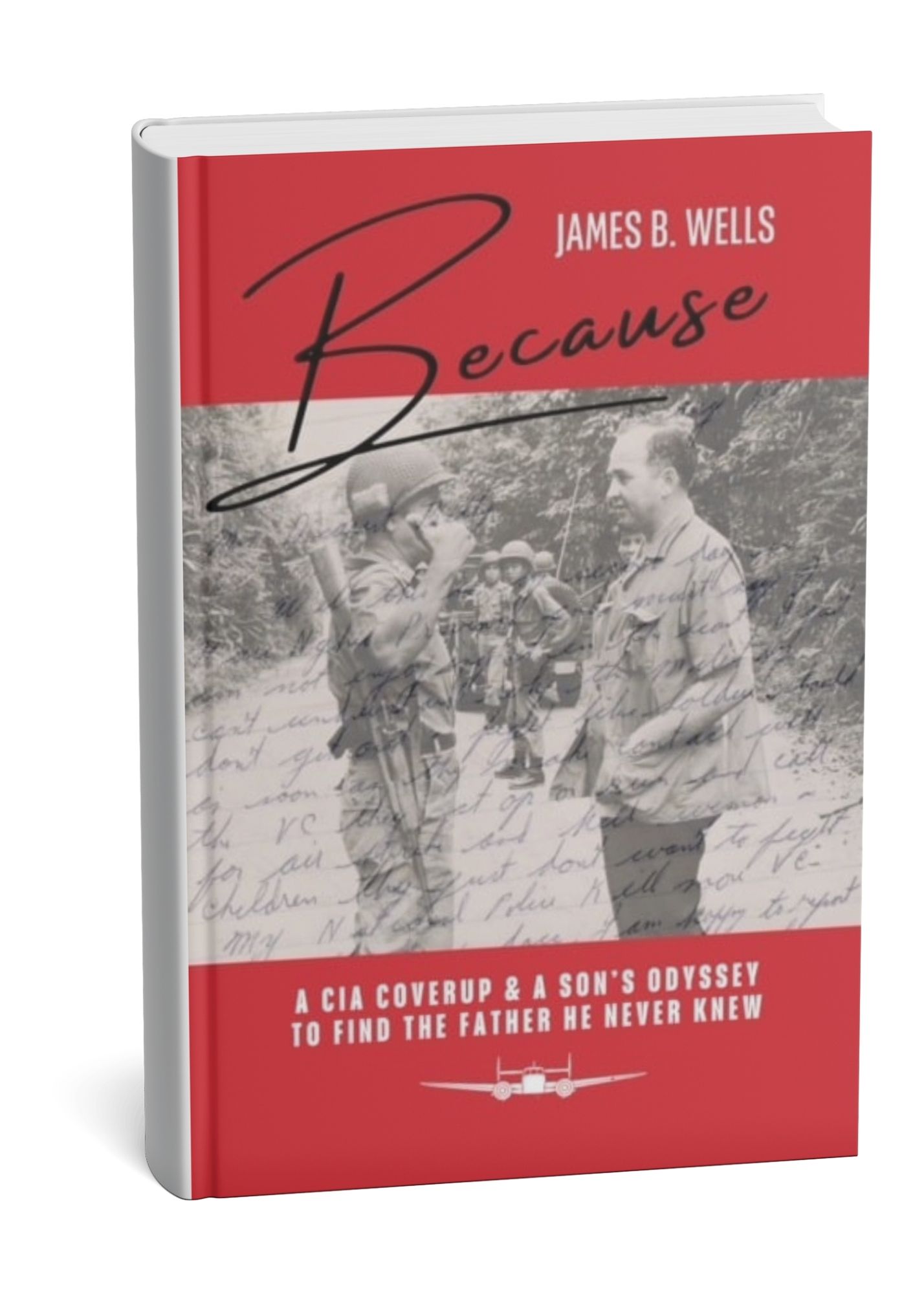
Remarkably, he carried out these whistleblowing activities while working part-time alongside Daniel Ellsberg, who was in the same province at the same time. Ellsberg later became known as a famous whistleblower for leaking the “Pentagon Papers” to the press, four years later, in 1969. These documented cases are detailed in my investigative memoir, Because: A CIA Coverup and a Son’s Odyssey to Find the Father He Never Knew.

 James B. Wells